


Total Eye Care Centre


Eye infections can affect anyone at any age, and while some may clear up on their own, others require professional care to prevent complications or vision changes. At Total Eye Care Centre in Coquitlam, BC, our experienced optometrists help patients identify the cause of their symptoms and provide effective, personalized eye care to restore comfort and clarity.
At Total Eye Care Centre in Coquitlam, BC, our skilled optometrists use advanced diagnostic tools to evaluate infections, monitor healing, and protect your long-term vision. Whether you need a same-day appointment or routine eye exams near you, we’re here to help you see clearly and comfortably.
If you suspect an infection or simply want to prioritize your eye care, contact Total Eye Care Centre at 778 285-6972 to schedule an appointment with an optometrist near you.
Eye infections develop when harmful bacteria, viruses, or fungi enter the eye or the surrounding tissues. They can affect different parts of the eye, including the conjunctiva (the thin membrane covering the white of the eye), the cornea, or the eyelids. Common causes include:
If you notice redness, swelling, discharge, or sensitivity to light, don’t wait for symptoms to fade on their own. A professional eye exam can help determine whether the infection is bacterial, viral, or allergic, and ensure you receive the right treatment quickly.
Over-the-counter drops may ease irritation, but prescription medication is often necessary for bacterial infections. Viral infections usually resolve on their own, but an eye doctor can recommend ways to relieve discomfort and prevent spreading.
All content is provided for education and information, and is no substitute for the advice of your optometrist.
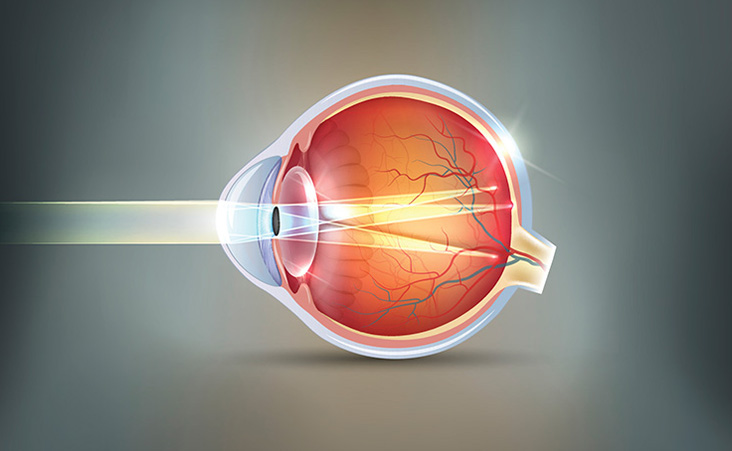
Astigmatism is an irregular curvature of the front surface of the eye that results in blurred vision at all distances. It is a common refractive error, just like nearsightedness and farsightedness. It is usually a condition from birth that progresses over time. Eyeglasses, contact lenses and refractive surgery are all effective treatments for astigmatism.

Hyperopia, or farsightedness, is a common refractive error. Approximately 25 per cent of the general population may be affected. Farsighted individuals see better in the distance than up close because the eye does not effectively focus light. Farsightedness is very common among elementary school-age children and a frequent cause of reading and learning difficulties.Refractive errors such as hyperopia are commonly corrected by eyeglasses or contact lenses. Refractive surgery is another possibility.

Myopia, more popularly known as nearsightedness, is a common refractive error. Approximately a quarter of the general population may be affected. Myopic individuals see better up close than in the distance. This is because the eye improperly focuses too much light, causing blurred vision in the distance.Refractive errors are commonly corrected by eyeglasses or contact lenses. Refractive surgery and Ortho-Keratology are two other possibilities.

Presbyopia is an inevitable condition in which the ability to focus on close objects decreases over time. Since it is a natural effect of aging, it is extremely commonplace. In recent years, an estimated four million new cases of presbyopia have been diagnosed. Today’s “baby boomer” generation is the most rapidly growing population segment requiring vision correction.Symptoms: Headaches, blurred near-distance vision, tearing, stinging, or a need for more light. People with presbyopia often hold reading material at arm’s length.Treatment: Reading glasses (typically bifocals) or special contact lenses are useful treatments, although the period of adjustment can vary widely. All told, there is a wide range of corrective options to review with your Optometrist.Prevention: There is no recognized prevention available, although focusing difficulties can be relieved with corrective lenses.Further questions: For such a common condition, there are many misconceptions about presbyopia. For example, it does not affect a person’s lifestyle, but presbyopia can require frequent prescription changes after age 40.
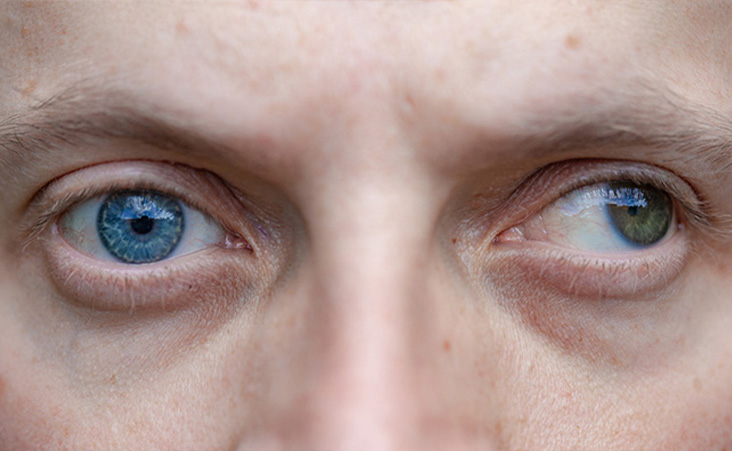
Strabismus or “crossed eyes” is a misalignment of the eyes. One or both eyes may turn in (esotropia), out (exotropia), up (hypertropia) or down (hypotropia). Treatment may include the use of eyeglasses, contact lenses, prisms and/or vision therapy. In extreme cases, surgery may be needed.
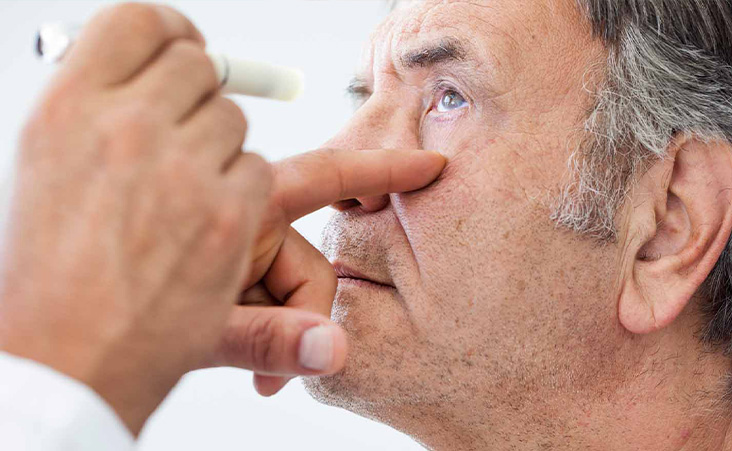
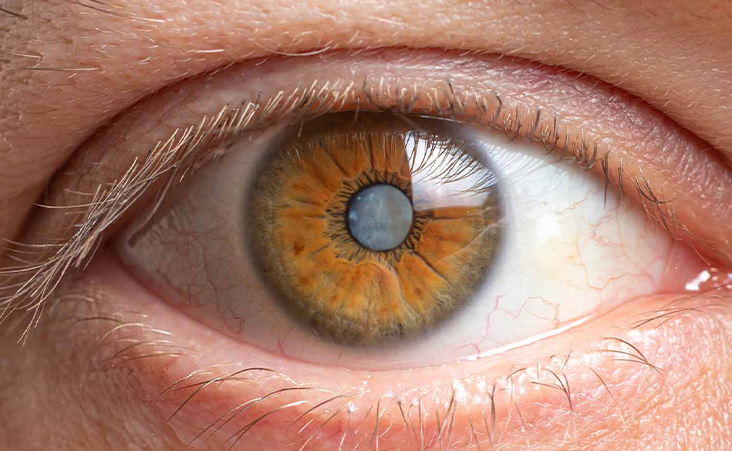
Cataracts are a clouding of the eye’s crystalline lens that usually develops slowly over time. (In the case of post-traumatic cataracts, however, they can also occur very quickly.) It is the leading cause of poor vision in adults.Symptoms: Dimmed or blurred vision, double vision, halos or glare around lights, dull colors, sensation of a film over the eyes, frequent cleaning of the eyes, difficulty driving or reading, and frequent changing or cleaning of glasses.Treatment: If a cataract grows larger or denser, it can be surgically removed. It is a safe procedure with a near 100 percent success rate. Following surgery, it is normal to require a change in spectacle correction.Prevention: Wearing UV protection when outdoors is very helpful. There is also some evidence to suggest that a diet high in beta carotene (vitamin A), selenium and vitamins C and E have preventative benefits. Avoiding cigarette smoke, air pollution and alcohol consumption may also help.

Diabetic retinopathy, as the name suggests, is associated with diabetes. It is best described as damage to the retina that occurs because of defects in or leakage from the fine blood vessels. The vast majority of those with early diabetic retinopathy are unaware of it. In advanced cases, it can result in vision blurriness and distortion.Diabetics should ensure they see their Optometrist regularly, scheduling annual eye exams. Since it is a progressive disease, it can cause blindness over time if left untreated. Your Optometrist can provide the invaluable advice and treatment diabetics require.
Glaucoma is a condition in which elevated pressure in the eye damages the optic nerve, causing peripheral and total blindness. It is widely noted as the second-leading cause of blindness in the U.S.Symptoms: There may be no early warning signs, so optometric exams are crucial. Otherwise, pain, blurred vision and the appearance of colored rings around lights are leading indicators.Treatment: Once diagnosed, glaucoma treatments are highly effective. Prescription eye drops, oral medications, laser treatment or even surgery may be involved. If untreated, glaucoma can cause blindness, and there are no cures.Prevention: Because there may be few symptoms, and vision lost to glaucoma cannot be restored (the condition can only be halted), frequent monitoring for glaucoma is essential. The risk for glaucoma increases dramatically after age 35 and is often hereditary.
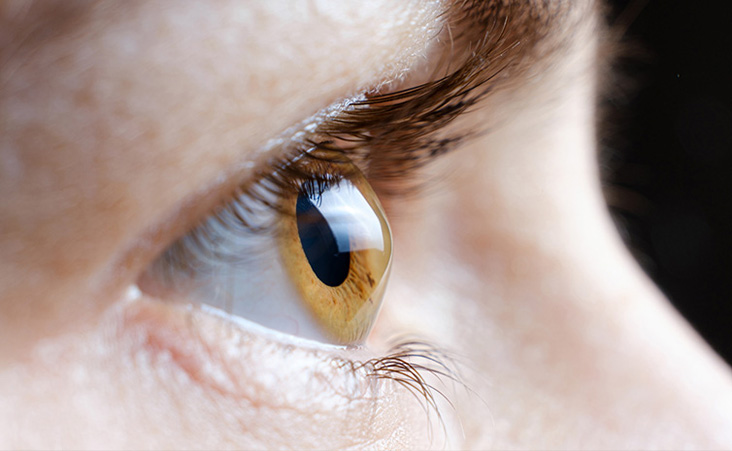
Keratoconus is a disease of the eye in which the cornea becomes distorted slowly over time. Symptoms may not be obvious, as they are vision and eye health conditions themselves, such as light sensitivity, nearsightedness and astigmatism. It is not clear how keratoconus may develop, although heredity may play a role.Since keratoconus is a progressive disease, appropriate treatment varies over time. Simple correction may suffice at an early stage, followed by rigid gas-permeable contact lenses, and eventually a cornea transplant.

Retinal detachment is the separation of the retina from the pigment epithelium. It is often caused by holes or tears in the retina, by a tumor, or by fluid pressure in the area. Retinal detachment occurs among the elderly or, sometimes, following head or eye injuries. There is also a higher rate of incidence among the extremely myopic. B.C. MSP coverage for such patients allows for more frequent eye exams.In some cases it can be surgically treated. Apart from a sudden loss of vision, other (early) symptoms may include light flashes or an unusual number of “spots and floaters.”

Retinitis pigmentosa is a group of inherited diseases developing inside the pigmented area of the retina of the eye. They tend to become apparent between age 10 and 30, although some types of retinitis pigmentosa occur in childhood or later in life. Vision changes include night blindness, loss of side vision, and “tunnel vision.”The most common symptom of retinitis pigmentosa is a personal history of visual problems at dusk or in low light. This problem cannot be helped by corrective lenses, however, because the retina itself is deteriorating. Your optometrist can help you adapt to living with retinitis pigmentosa.

Spots and floaters are tiny flecks or threads, which seem to float in front of your eyes. They are experienced by most people. They are often caused by particles of protein trapped in the fluid inside the eye, or by the deterioration of the fluid due to advancing age.Occasionally they are the result of certain eye diseases or injuries, or they may signal the development of more serious conditions such as retinal detachment. They are usually harmless, but those experiencing a sudden change or increase in “spots and floaters” or flashes of light should consult their eye doctor.
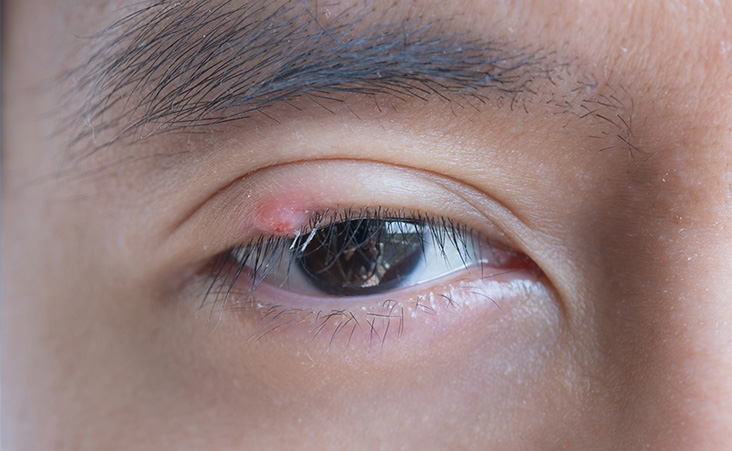
A stye is a visible infection that appears at the edges of an eyelid. Its appearance can vary somewhat, but it is harmless to your vision. Symptoms include a noticeable swelling, some discomfort and tenderness in the affected area.Most styes heal without treatment, although the application of a hot compress can help. Unlike a pimple, however, styes cannot be manually ruptured and drained. Antibiotic ointments are available for recurring cases.

Water recreation is a great way to relax and exercise, but it’s no place to forget about your eyes. No matter how well they’re maintained, pools and hot tubs contain human bacteria. If you’re not careful, eye infections can impair vision.When you’re in a pool, wear a snug pair of swimming goggles. Also be careful when wearing contact lenses in water environments.In hot tubs there is a particular bacteria risk. Ensure that you keep your eyes out of the water, or provide yourself with a thorough shower rinsing afterwards.
Macular degeneration is a condition in which the macula (the part of the retina responsible for sharp reading vision) fails to function efficiently. It is a common cause of impaired reading or detailed vision—the leading cause of blindness worldwide, in fact. Macular degeneration is generally age-related.Symptoms: Initial signs include blurred reading vision, a weakening of colour vision, distortion or loss of central vision (e.g., a dark spot in the middle of your field of vision), and distortion in vertical lines.Treatment: Although there is no cure, laser treatment can be effective in slowing the disease’s progression. As usual, early detection is key.Prevention: Lifelong UV protection is very important. General nutrition is also believed to play a significant preventative role. Zinc may be especially helpful in this regard, particularly for zinc-deficient people like seniors. There is also some evidence to suggest that a diet high in beta carotene (vitamin A) and vitamins C and E can protect the macula. However, an over-abundance of any vitamin may affect your body’s ability to absorb important nutrients. This is a matter of some debate among health care professionals.
The information below applies to all the information contained on the totaleyecarecentre.com Website.
The users of this Website agree to comply with the terms set out below.
Total Eye Care Centre owns and operates a Website at totaleyecarecentre.com (hereinafter referred to as the “site” or “Website”). Unless specified otherwise on the site, it is accessible to all users (hereinafter, the "user"). Refrain from using this Website unless you agree to comply with the conditions.
Information on this Website is intended for informational purposes only and has no contractual value. Total Eye Care Centre reserves the right to modify the content of this site. At any time, without prior notice. Total Eye Care Centre assumes no liability for errors or omissions in the content of this Website or for information reliability or completeness of said information.
Information published on this Website is based on marketing, statistical or commercial services or other sources the Total Eye Care Centre considers reliable and are the sole responsibility of their authors and not of Total Eye Care Centre. We do not assume any liability for the accuracy or completeness of said information and in no circumstance should this information be regarded as such. Opinions and information as presented on this site reflect our position as of the date of publication and are subject to change without notice.
Total Eye Care Centre, its employees and directors will not be liable for damages incurred as a result of the information published on this site, for the views and advice published, expressed or implied regardless of its nature.
Total Eye Care Centre expressly refuses any and all responsibility for the manner in which the user of the site may use the information contained, in any decisions that may be made and in the actions that may or may not be taken based on said information.
Presentations made and contained on this site are the intellectual property of Total Eye Care Centre. Reproduction in whole or in part of this site on any other medium in prohibited without the express permission of Total Eye Care Centre.
User may solely use the information contained on this site for personal use. Reproduction in whole or in part of said information on paper may only be performed for personal use. Said information is not to be copied, distributed or transmitted to third parties nor may it be inserted in a document or other medium.
The links to external Websites and their content shall not be prejudged and Total Eye Care Centre will in no way be held responsible for any direct or indirect prejudice that may result from gaining access to and usage of said sites.
Total Eye Care Centre draws the attention of the user to the fact that all communication transmitted through this Website remains in the public domain and not the private domain. Total Eye Care Centre cannot accept responsibility for the security of the transmission of information.
The confidentiality and integrity of the information circulating over the internet cannot be ensured. Total Eye Care Centre cannot accept responsibility in the case that data contained on this site is intercepted.
Total Eye Care Centre site uses cookies. These cookies are small text files saved on the hard disk of a user's computer. These files are completely harmless and cannot contain viruses. These cookies are used to analyze visits to the site. Total Eye Care Centre calls upon Google Analytics to help track how users use the site. The number of visitors, path taken to access the site and length of each visit are measured. The cookies cannot, in any way, identify the user. All data is completely anonymous and compiled solely for the purpose of improving the site and tailoring the content to the needs of its visitors.
The person responsible for the protection of personal information is the owner of : Total Eye Care Centre
Total Eye Care Centre makes no representations that the content of this site is free of infections, viruses, worms, Trojan horses and/or other codes with contaminating or destructive properties. It is the user's responsibility to take protective measures.
Under no circumstances shall Total Eye Care Centre be held responsible for transmission errors of any sort, such as loss of or damage to data, or changes of any type whatsoever, including direct or indirect damage resulting from the use of the services provided on this site.
This Agreement shall be governed by and construed in accordance with the laws of the province of British Columbia.
Any dispute arising of this Agreement shall be brought before the court in the judicial district of
Total Eye Care Centre's head office.
Address:
112 – 2922 Glen Drive
Coquitlam, BC
V3B 2P5;
Tel: 778 285-6972.
Total Eye Care Centre
112 – 2922 Glen Drive
Coquitlam, BC
V3B 2P5
Tel: 778 285-6972
Thank you for visiting totaleyecarecentre.com (the “Website”), provided to you by Total Eye Care Centre (“We”). We respect the privacy of every individual who visits the Website and are sensitive to privacy issues on the Internet. We believe it is important that you know how we deal with information received about you.
This privacy policy (the “Privacy Policy”) explains how we collect, use, disclose, and protect the personal information of our customers and Website users ("you"), describes the types of information we may collect from you or that you may provide to us, and our practices for collecting, using, maintaining, protecting, and disclosing that information. The Website is for general audiences and is not specifically targeted to or intended for use by children.
We will only use your personal information in accordance with this Privacy Policy unless otherwise required by applicable law. We take steps to ensure that the personal information that we collect about you is adequate, relevant, not excessive, and used for limited purposes. Privacy laws in Canada generally define "Personal Information" as any information about an identifiable individual, which includes information that can be used on its own or with other information to identify, contact, or locate a single person.
By accessing or using the Website, you are accepting the practices described in this Privacy Policy, and you are consenting to our processing of your information as set out in this Privacy Policy. We may modify or update this Privacy Policy from time to time; if we change this Privacy Policy in a manner that materially impacts your privacy rights, we will provide a notice to you. Your continued use of the Website or our services after any modification to this Privacy Policy will constitute your acceptance of such modification. However, when required by law, we will confirm your consent to the revised Privacy Policy terms. This Privacy Policy is incorporated into and considered a part of the Website Terms and Conditions of Use, located here
We collect and use several types of information from and about you, including:
The information we collect directly from you may include:
We are committed to protecting the privacy of minors. As part of our services, we may collect personal information relating to children and minors. Parents or legal guardians who have questions regarding the collection, use, or disclosure of a minor's personal information, or who wish to request access, correction, or deletion of such information, may contact us at 778 285-6972.
We use your information, including your Personal Information, to manage our business and to maintain and develop commercial relationships with you. We will collect, use, and disclose such information only to the extent that is necessary for those purposes.
We use information that we collect about you or that you provide to us, including any Personal Information:
We will not rent or sell your information to third parties without your consent. We only share your data as specifically provided in this Privacy Policy.
In addition to any disclosure you may have consented to or permitted under the terms of this Privacy Policy, we may transfer your data, including Personal Information to third parties in the following limited circumstances:
We are committed to protecting the confidentiality, integrity, availability and privacy of your Personal Information. We have put appropriate physical, technological and procedural security measures in place designed to help prevent your Personal Information from being lost, used, modified or accessed in an unauthorized way, or improperly disclosed. Examples of such measures include restricted access to offices, training of personnel, using passwords and well-defined internal policies and practices. We also use encryption technology and Secure Socket Layers ("SSL") in all areas of the Website where your personal account information is required.
In addition, we limit access to your Personal Information to those employees, agents, contractors and other third parties who have a business need-to-know. They will be required to process your Personal Information only on our instructions and they are subject to an obligation of confidentiality. Our service providers are required to maintain adequate security protections in place designed to help safeguard your Personal Information and are not permitted to use it for any purpose other than fulfilling services to us.
If you have any questions about securing your personal data, please contact us in accordance with the “How to Contact Us” section below.
We will retain your Personal Information for as long as it is needed:
We may retain non-personal information that has been sufficiently aggregated or anonymized for a longer period.
Once the retention period is over, we will dispose of your Personal Information as provided for in our internal data retention and disposal policy.
We use facilities operated by "Amazon Web Services" and located in Canada as our information storage and processing infrastructure. Our service providers can also, from time to time, store your Personal Information in accordance with purposes outlined in this Privacy Policy.
If you have any questions about this Privacy Policy, you can contact us at 778 285-6972.
Last Updated: June 2026
We may update this Policy from time to time. Any changes will be posted on this page, and the "Last Updated" date will be revised accordingly.